Currency

Ash Wednesday: A Call to Renewal
Ash Wednesday: A Call to Renewal

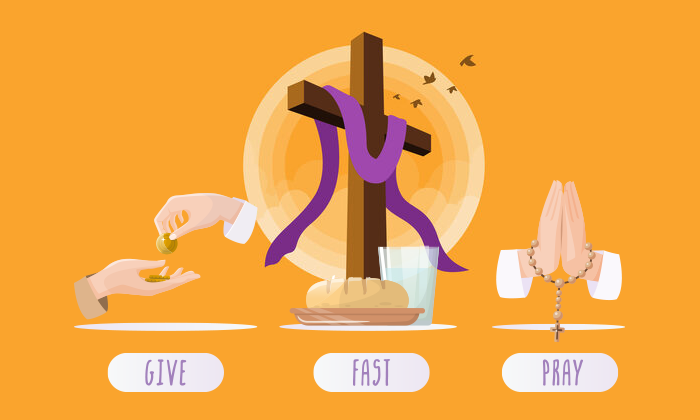
Each year, Ash Wednesday stands as one of the most beloved and meaningful days in our liturgical calendar. It marks the opening of Lent — a sacred season of prayer, fasting, and almsgiving — inviting us to turn our hearts once again toward God. This blessed day arrives forty-six days before Easter Sunday, ushering the faithful into a time of spiritual renewal and preparation for the joy of the Resurrection.
Ancient Roots and Sacred Symbols
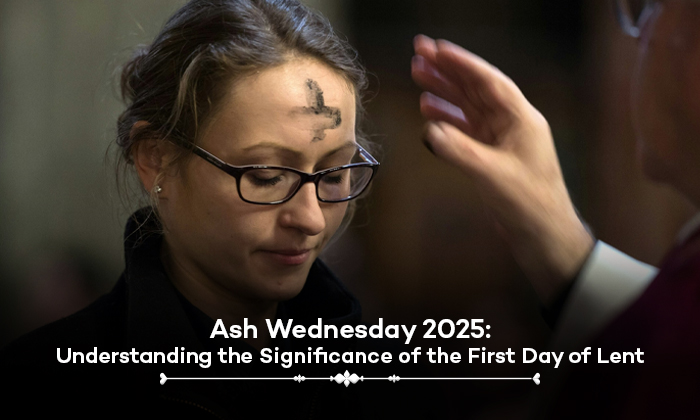
The practice of using ashes reaches back to ancient Jewish traditions of penance and fasting. In Scripture, ashes often signified mourning and repentance — a humble acknowledgment of sin and a desire to be restored to God’s grace. The ashes we receive on our foreheads remind us of our humble origins: “Remember that you are dust, and to dust you shall return.” Alternatively, the priest may say, “Repent and believe in the Gospel.”
Both phrases carry a profound truth: our earthly life is fleeting, but through repentance and faith, we are drawn into the everlasting life of God.
A Sign of Penance and Belonging
Throughout Church history, ashes have served as an outward sign of inward sorrow. In earlier centuries, Christians who had committed grave sins would wear sackcloth and receive ashes as a sign of public penance. They were even turned away from the church until Maundy Thursday, when they were welcomed back into full communion after sincere repentance.
Over time, the distribution of ashes became a devotion shared by all the faithful — a humble way to express our collective need for God’s mercy. Today, the invitation remains open to everyone; even non-Catholics and those separated from the Church are welcome to receive ashes as a sign of grace and hope.
From Palm to Ash: The Circle of Faith
The ashes used on Ash Wednesday are made from the blessed palms of the previous year’s Palm Sunday celebration. These ashes are mixed with holy water and perfumed with incense — a beautiful reminder of the cycle of our faith: triumph, repentance, and renewal.
They speak to us of both our mortality and God’s mercy. While they symbolize grief for our sins, they also proclaim God’s enduring love for those who seek Him with contrite hearts. Lent, therefore, is not a season of gloom, but of grace — a sacred journey toward reconciliation and resurrection.
A Season of Mercy
As we begin this holy season, the Church calls us to embrace the Lenten spirit with renewed fervor. Through prayer, fasting, and almsgiving, we open our hearts to God’s transforming grace. The ashes on our foreheads may fade, but the call to conversion endures.
The following collections from ST PAULS UK are designed to accompany you through this season of grace and renewal, inspiring deeper reflection, prayer, and spiritual growth throughout Lent.
Lent for Everyone: Matthew Year A
A Lent lectionary resource using Tom Wright's For Everyone Bible translation, this is the second in a three-volume series to cover the three years of the Revised Common Lectionary. For each day of Lent, there is a reading chosen from the Gospel designated for the year, plus a reflection by Tom Wright.
Lent for Everyone: Mark Year B
A Lent lectionary resource using Tom Wright's For Everyone Bible translation, this is the third in a three-volume series to cover the three years of the Revised Common Lectionary. For each day of Lent, there is a reading chosen from the Gospel designated for the year, plus a reflection by Tom Wright.
Lent for Everyone: Luke Year C
A Lent lectionary resource using Tom Wright's For Everyone Bible translation, this is the first in a three-volume series to cover the three years of the Revised Common Lectionary. For each day of Lent, there is a reading chosen from the Gospel designated for the year, plus a reflection by Tom Wright.
Little Book of Lent: Daily Reflections From the World's Greatest Spiritual Writers
The Little Book of Lent is an indispensable collection of readings from some of the most celebrated modern-day spiritual writers with passages specially selected for each of the forty days of Lent.
Over half a century has passed since Evelyn Underhill's death, yet her devotional writings have endured as a beacon to those who seek a deeper understanding of the "interior life" in the mystical Christian tradition. These selections aim to deepen Lenten observance by allowing the reader to follow the thought of Underhill.