Currency

The Sanctity of Good Friday: Prayer, Fasting, and Redemption
The Sanctity of Good Friday: Prayer, Fasting, and Redemption

Good Friday occupies a central place in the Christian liturgical year. It is the solemn commemoration of the Passion and death of our Lord Jesus Christ, through which the mystery of salvation was accomplished. On this sacred day, the Church calls the faithful to enter into silent contemplation of the Cross—the profound symbol of divine love, mercy, and redemption.
Christ’s sacrifice on Calvary reveals the infinite depth of God’s compassion and the immensity of His love for the human family. Through His suffering and death, humanity is reconciled to the Father, and the gates of Heaven are opened. This mystery invites every believer to approach Good Friday not merely as a day of mourning but as a time of profound spiritual participation in the redemptive act of Christ.
The Theology of Prayer
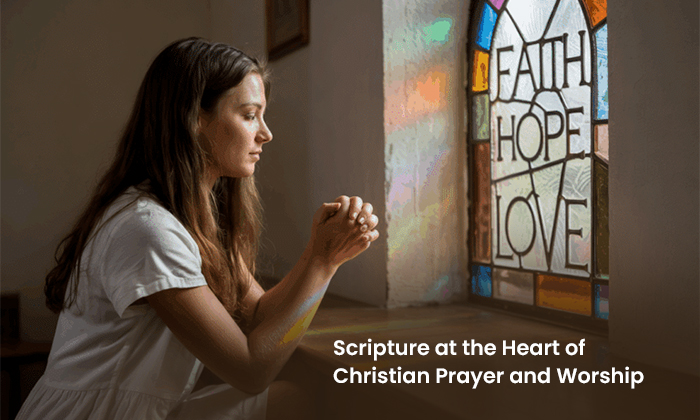
Prayer is the foundation of Christian life and assumes special significance on Good Friday. Within the quiet solemnity of this day, the faithful are invited to unite their hearts to the prayer of Christ Himself, who offered His life in complete obedience to the Father’s will.
The Church’s liturgy on Good Friday—marked by the reading of the Passion, the veneration of the Cross, and the universal prayers—calls believers to a contemplative encounter with Christ crucified. In personal prayer, Christians meditate upon the meaning of the Cross, seeking the grace of contrition, conversion, and renewed faith. It is through prayer that the mystery of redemption becomes not only a historical event, but a living and transformative reality within the soul.
The Meaning of Fasting
Fasting has long been regarded in Christian tradition as a sacred discipline that unites the physical and the spiritual. On Good Friday, the Church prescribes fasting and abstinence as external signs of penance and solidarity with the sufferings of Christ.
This voluntary act of self-denial is not merely a deprivation of food but a means of purification and inward focus. It disposes the heart to receive divine grace by detaching it from earthly comforts and by fostering a deeper awareness of spiritual hunger—the longing for communion with God. In fasting, believers are reminded that true nourishment comes from doing the will of the Father, as Christ Himself declared: My food is to do the will of Him who sent me (John 4:34).
A Call to Reflection and Renewal
United in prayer and fasting, the People of God are invited to contemplate the Cross not as a symbol of defeat but as the sign of victorious love. Through these sacred practices, the faithful participate in the mystery of redemption and prepare their hearts for the glory of the Resurrection.
Good Friday thus becomes a day of spiritual renewal—a time when believers are called to interior silence, repentance, and gratitude for the saving work of Christ. By contemplating His Passion, Christians are strengthened in faith and are encouraged to live out the Gospel values of love, humility, and mercy in their daily lives.
To assist in this journey of faith, St Pauls UK offers a range of devotional resources, including Bibles, prayer books, crucifixes, and sacred images, which help foster a spirit of reflection and reverence. These items serve not as ends in themselves but as instruments that draw the heart closer to God, especially during the most sacred days of the Christian year.